
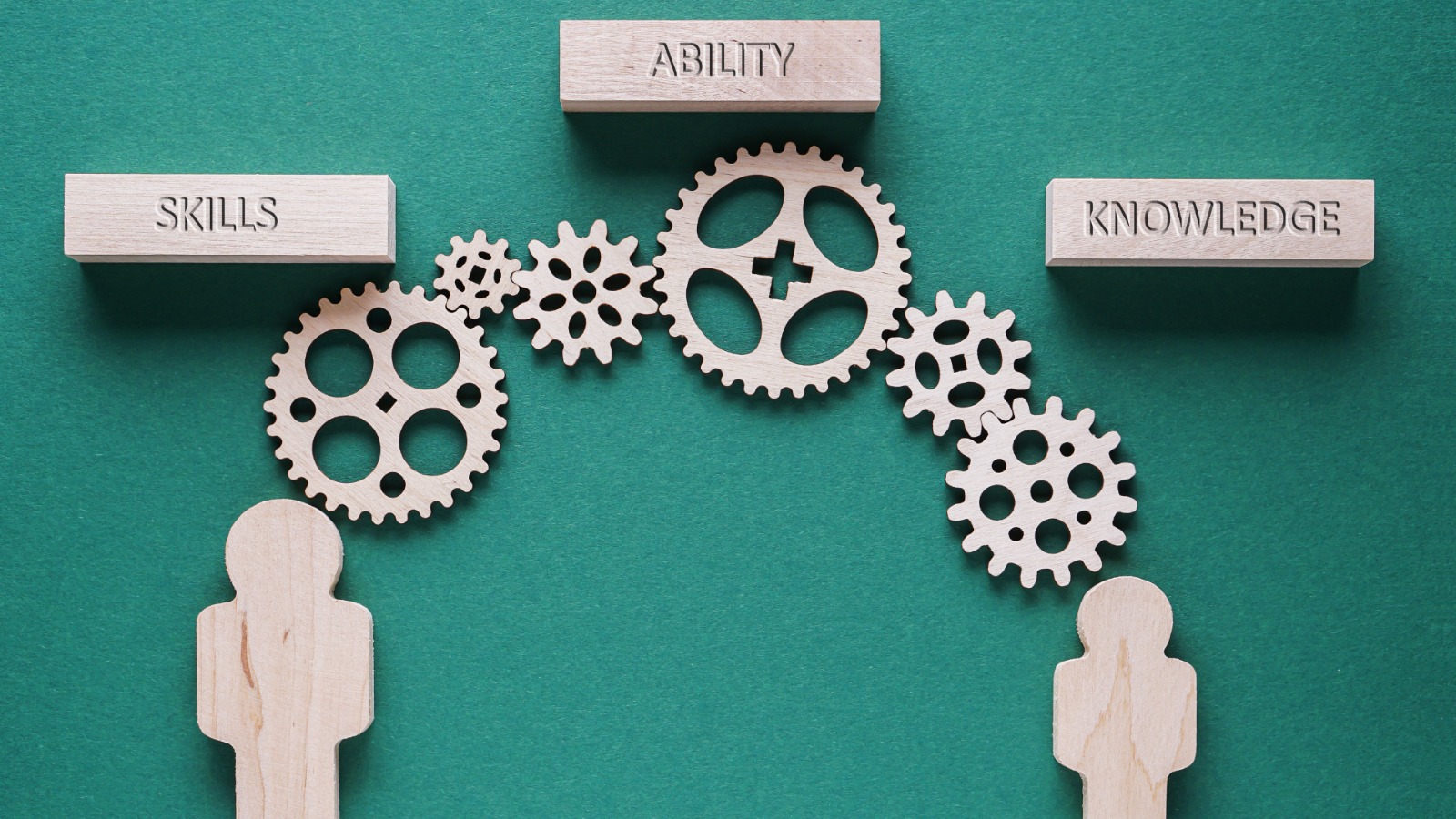
The global education system is undergoing one of the most significant shifts in its history. From policy reforms and curriculum overhauls to changing student needs and workforce expectations, what it means to be an effective teacher has fundamentally changed.
Across countries, boards, and school systems, one message is clear: subject knowledge alone is no longer enough.
According to international education reports, schools are increasingly hiring, evaluating, and promoting teachers based on skill alignment, not tenure. The result? A new global demand for teachers trained in SEL, inquiry-based learning, instructional design, communication, and behaviour leadership.
This article breaks down the top skills required in global education today, backed by data, hiring trends, and policy signals, and explains why teachers who fail to upskill risk falling behind.
1. Social & Emotional Learning (SEL): Now a Global Hiring Requirement
Once considered “soft skills,” SEL competencies are now central to classroom effectiveness.
Global data & demand:
- 70%+ of progressive international schools now require or strongly recommend SEL integration as part of teaching practice.
- Teacher job postings mentioning SEL or emotional intelligencehave grown by 25–30% year-on-year in major education markets.
- Large-scale meta-analyses covering 30,000+ students across 12 countriesshow that classrooms with strong SEL practices report:
- Higher academic achievement
- Lower behavioural incidents
- Improved student mental health and engagement
Education boards such as IB, Cambridge, CIS, and CAIE explicitly include student wellbeing and emotional safety in teacher expectations.
2. Classroom & Behaviour Management: The Most In-Demand Teacher Skill Post-COVID
Global data & demand:
- 45%+ of teacher job descriptionsworldwide list behaviour management as a core requirement.
- Behaviour-management-certified teachers are twice as likelyto be fast-tracked for leadership roles such as grade coordinator, academic lead, or wellbeing head.
- Schools report significant reductions in classroom disruption when teachers are trained in positive and restorative discipline models.
Post-pandemic classrooms have made it clear: content expertise cannot compensate for poor classroom leadership.
3. Creative & Critical Thinking: A Skill Gap Schools Can No Longer Ignore
Employers worldwide identify critical and creative thinking as the biggest skills gap among graduates — and schools are being held responsible.
- The OECD ranks critical thinking among the top competencies required by 2030.
- Schools increasingly seek teachers who can:
- Design higher-order questioning
- Move beyond rote learning
- Teach application, analysis, and reasoning
Are Your Teaching Skills Ready for 2026?
Discover the high-demand global education skills and learn how to build them with structured, industry-aligned training for modern educators.
4. Inquiry & Project-Based Learning (PBL): From “Innovation” to Expectation
Inquiry-driven and project-based classrooms are no longer experimental – they are becoming the norm.
Global data & demand:
- 10,000+ schools globally now use PBL as a core instructional approach.
- Teacher job listings mentioning PBL or inquiry-based learning have increased by 45%+ in the last two years.
- Students in PBL classrooms demonstrate 15–30% stronger learning outcomes compared to traditional instruction models.
In India, NEP 2020 explicitly mandates experiential, inquiry-driven learning, making PBL competence a compliance requirement, not an option.
5. Instructional Design & Lesson Planning: The Fastest-Growing Teacher Skill
The biggest shift in education hiring is this:
schools no longer want teachers who deliver lessons — they want teachers who design learning experiences.
Global data & demand:
- Instructional design roles are among the Top 5 fastest-growing roles in global education.
- 70%+ of international schools list instructional design or curriculum planning as a preferred qualification for senior teaching roles.
- EdTech companies are hiring 3× more instructional designersthan traditional classroom teachers.
- Teachers with instructional design expertise earn 10–30% higher compensation and access leadership pathways such as:
- Curriculum specialist
- Learning designer
- Teacher trainer
This skill also directly impacts classrooms: well-designed lessons show 15–20% higher mastery and retention rates.
Why These Skills Are No Longer Optional
Across education systems, the message is consistent:
- Teachers are being evaluated on skills, not just experience
- Schools are tracking CPD hours and skill alignment
- Global boards and NEP 2020 expect proof of implementation, not intent
By 2026, these competencies will represent the baseline expectation for professional educators.
Where SkillStrat Fits In
As global education standards rise, teachers need structured, practical, classroom-ready professional development — not generic workshops.
SkillStrat’s programs are designed precisely around the most in-demand global teaching skills:
- Social & Emotional Learning
- Behaviour & classroom leadership
- Inquiry & Project-Based Learning
- Instructional design & lesson planning
- Communication and confidence building
Each program is aligned with international trends, NEP 2020, and real classroom realities — helping educators stay relevant, compliant, and future-ready.
Final Thought
Education systems worldwide are changing faster than ever.Teachers who upskill strategically will lead classrooms.Those who don’t will struggle to keep up.
The future of teaching belongs to educators who learn continuously — and learn what truly matters.
Sources & References
- OECD – Future of Education & Skills 2030
- World Economic Forum – Future of Jobs Report
- CASEL Global SEL Research
- Buck Institute for Education (PBL Research)
- International Baccalaureate & Cambridge Frameworks
- NEP 2020 – Government of India