
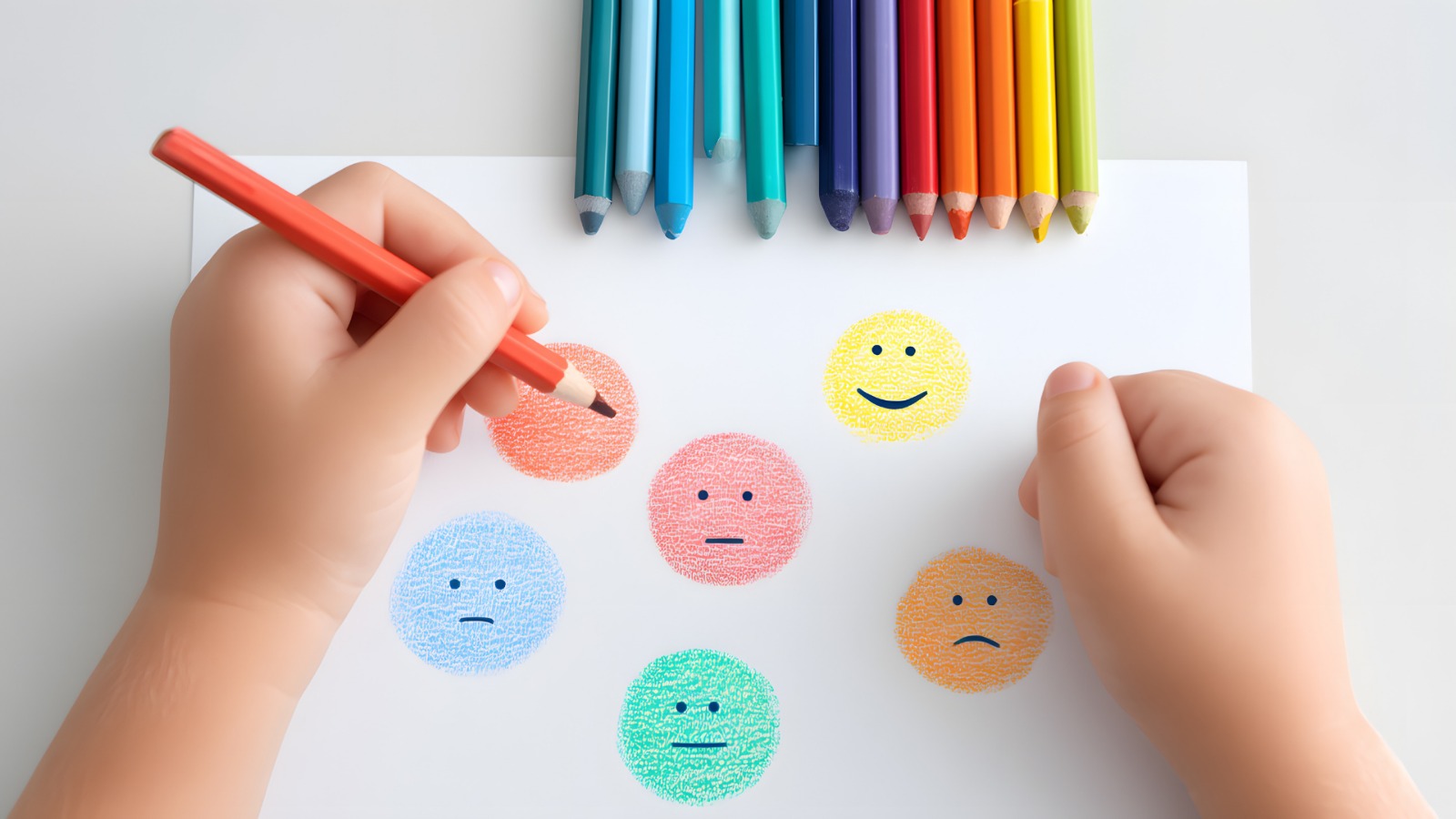
For decades, education systems measured success almost entirely through academic performance. Marks, ranks, board results, and entrance exams dominated conversations around “good schooling.” Yet, despite rising enrolment and curriculum reforms, a troubling pattern has emerged across the world: students are more anxious, less resilient, and increasingly disengaged from learning.
This is not a behavioural problem. It is a developmental gap.
Social Emotional Learning, often shortened to SEL, has emerged as a response to this gap—not as a feel-good addition to education, but as a necessary foundation for learning itself. Across countries, boards, and school systems, SEL is now recognised as essential to academic success, classroom stability, and long-term student wellbeing.
What Social Emotional Learning Really Means (And What It Does Not)
Why SEL Has Become a Global Priority
SEL and Academic Performance: The Missing Link
One of the strongest arguments for SEL lies in its impact on learning itself. Students who feel emotionally safe are more willing to participate, take intellectual risks, and persist through difficulty. SEL skills such as self-management, goal setting, and responsible decision-making directly influence study habits, attention, and motivation.
This is why schools that implement SEL not as isolated activities but as a consistent classroom approach often see improvements in academic performance alongside social behaviour. The idea that SEL “takes time away from academics” has been repeatedly disproven; in reality, it protects instructional time by reducing disruptions and disengagement.
Why Teacher Training in SEL Matters More Than Student Programs

Schools Expect SEL — Teachers Lead It
Our SEL course equips educators with practical strategies to support emotional intelligence, resilience, and inclusive classrooms.
SEL as a Professional Skill, Not a Personal Trait
There is a common misconception that good teachers are “naturally empathetic” or “emotionally intelligent.” In reality, SEL is a learnable, teachable professional skill. Teachers can be trained to recognise emotional cues, respond constructively to challenging behaviour, facilitate difficult conversations, and build psychologically safe classrooms.
Schools increasingly recognise this. Teachers with SEL training are often entrusted with leadership roles related to wellbeing, mentoring, and culture building. SEL competence has become a marker of instructional maturity and leadership readiness.
The Long-Term Impact: Beyond School Walls
The importance of SEL extends far beyond schooling. Skills such as self-awareness, emotional regulation, collaboration, and ethical decision-making shape how individuals function in workplaces, relationships, and society. Education systems worldwide now acknowledge that preparing students for life requires more than academic knowledge.
Teachers who integrate SEL are not just improving classrooms—they are shaping resilient, reflective, and responsible citizens.
Where SkillStrat’s SEL Programs Fit In
Conclusion
Social Emotional Learning is no longer an educational trend or optional enrichment. It is a foundational requirement for effective teaching and meaningful learning. As classrooms become more diverse and complex, the role of the teacher has expanded—from content expert to emotional guide, community builder, and mentor.
Teachers who understand SEL are better equipped not only to teach, but to lead learning environments where students can truly thrive.
In a world where academic pressure is high and emotional resilience is low, SEL may well be the most important skill education can offer—and teachers are the ones who make it possible.