
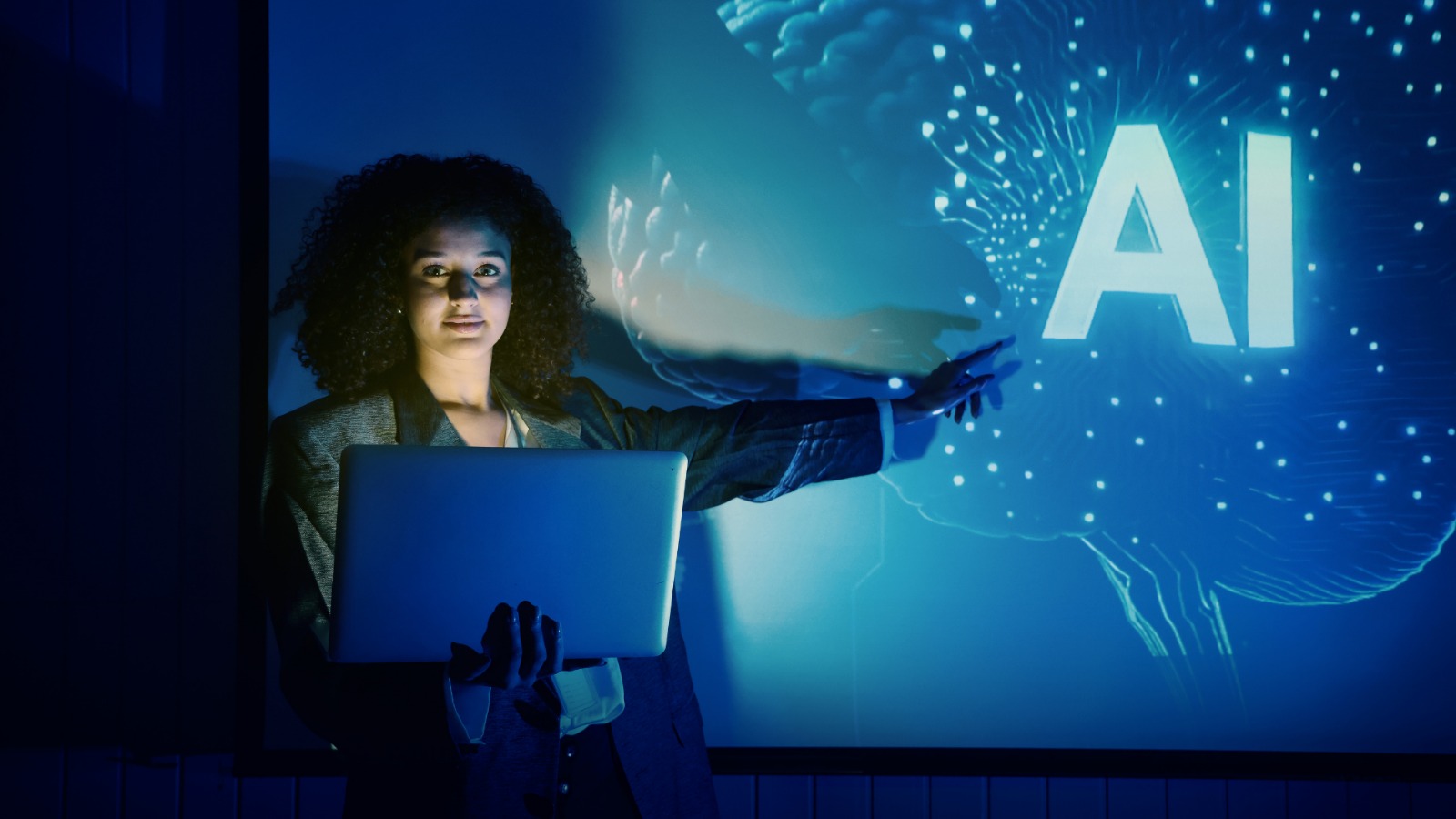
The Real Problem AI Is Solving for Teachers
Lesson Planning Without the Burnout
One of the first places teachers turn to AI is lesson planning—and for good reason. Planning a single high-quality lesson today means aligning objectives, designing activities, embedding assessment, ensuring engagement, and often integrating technology. Doing this daily is unsustainable.
Teachers across schools now use tools like MagicSchool AI, Curipod, and Canva’s AI features to generate lesson frameworks, activity ideas, slide structures, and formative questions. The key word here is frameworks. Teachers are not outsourcing thinking; they are avoiding starting from scratch every single time.
Instead of spending hours formatting worksheets or slides, teachers are using that time to ask better questions:
Is this activity meaningful?
Will this engage my students?
How can I adapt this for my class?
Ironically, AI is making teaching more thoughtful, not less.
Assessment, Feedback, and the End of Copy-Paste Teaching
Assessment is another area where AI has quietly changed practice. Continuous assessment is now expected, but giving personalised feedback to every student—week after week—is one of the fastest routes to teacher burnout.
AI tools are helping teachers draft rubrics, generate differentiated questions, convert traditional tests into competency-based assessments, and structure feedback comments that teachers then personalise. This doesn’t reduce teacher involvement; it reduces repetition.
Teachers who use AI for assessment report something interesting:
they spend less time writing feedback, but more time reading student work properly.
That shift alone explains why AI adoption is accelerating.
Student Engagement: Where AI Is Most Visible
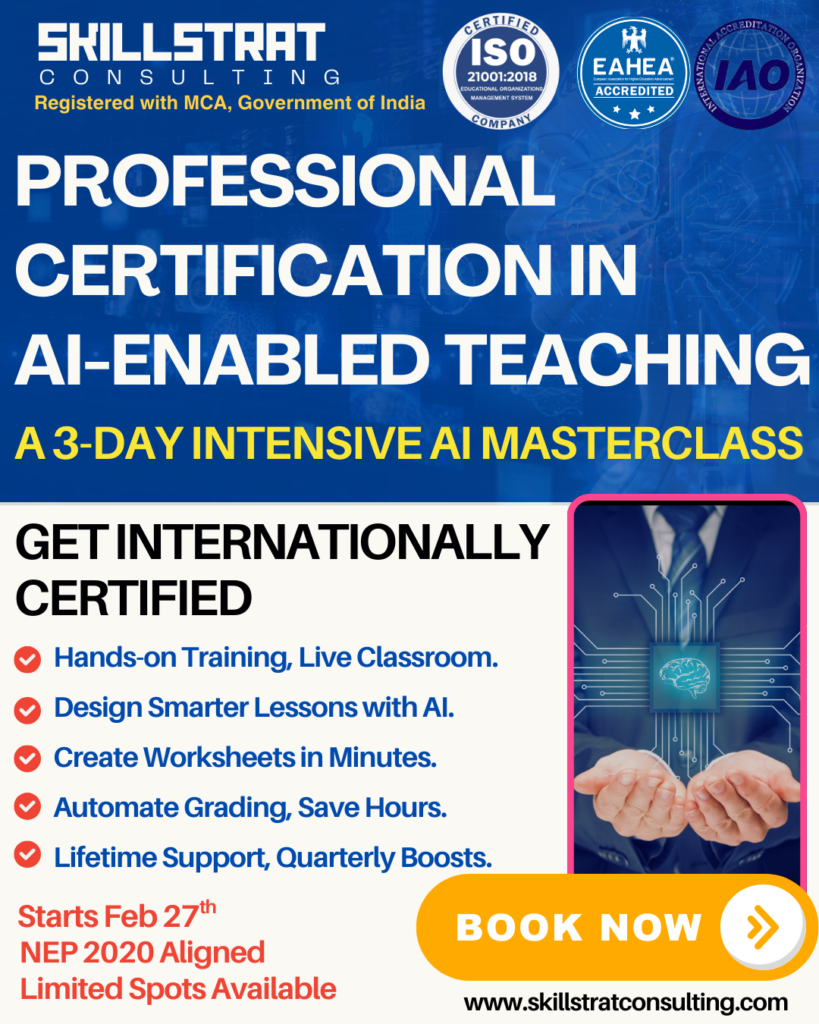
Teach Smarter with AI
Learn how educators are actually using AI for lesson planning, assessments, and student support—without compromising ethics or creativity.
Communication, Inclusion, and the Hidden Advantage
In multilingual classrooms and diverse school communities, AI has become a powerful inclusion tool. Teachers use it to simplify instructions, create bilingual resources, support students with learning gaps, and communicate more clearly with parents.
AI also supports teachers professionally—drafting newsletters, reports, parent communication, and reflective notes that still require human judgement but no longer drain emotional energy.
This matters because teacher clarity directly affects parent trust and student confidence.
Why Schools Are Expecting This (Even If They Don’t Say It Loudly)
Globally, schools are under pressure to modernise. Boards, accreditation bodies, and education departments increasingly assume that teachers can integrate technology meaningfully. AI literacy is beginning to sit alongside digital literacy as a baseline professional skill.
In fact, many leadership roles, curriculum roles, and instructional design positions already expect teachers to be comfortable using AI for planning, assessment, and innovation. Teachers who understand AI are not just surviving—they are being promoted.
This doesn’t mean schools want teachers to use AI everywhere.
It means they want teachers who understand when and how to use it responsibly.
The Ethical Question—and Why Teachers Still Matter Most
AI does not understand children.
It does not understand context, trauma, curiosity, or classroom culture.
Teachers do.
That is why ethical use matters. AI should assist thinking, not replace it. Teachers remain the final decision-makers—choosing what to use, what to adapt, and what to reject.
The danger is not AI itself.
The danger is teachers being untrained in how to use it.
Where SkillStrat Comes In
The Bottom Line
Artificial Intelligence in education is not a trend waiting to happen. It is already shaping expectations, workloads, and professional standards.
Teachers who understand AI will feel supported. Teachers who ignore it will feel overwhelmed.
And as classrooms become more complex, the smartest educators will be those who know how to use the right tools – without forgetting that teaching, at its core, is still a deeply human act.